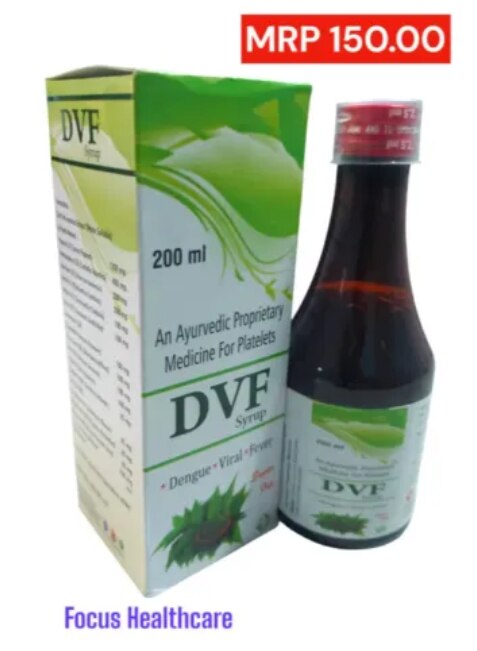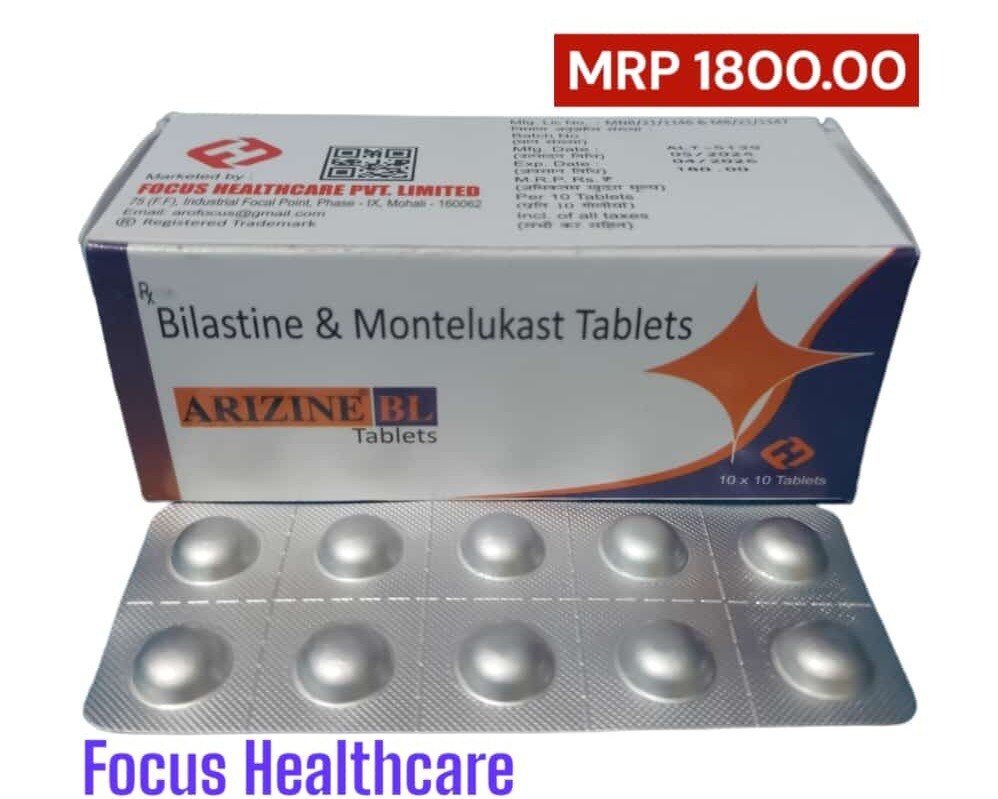
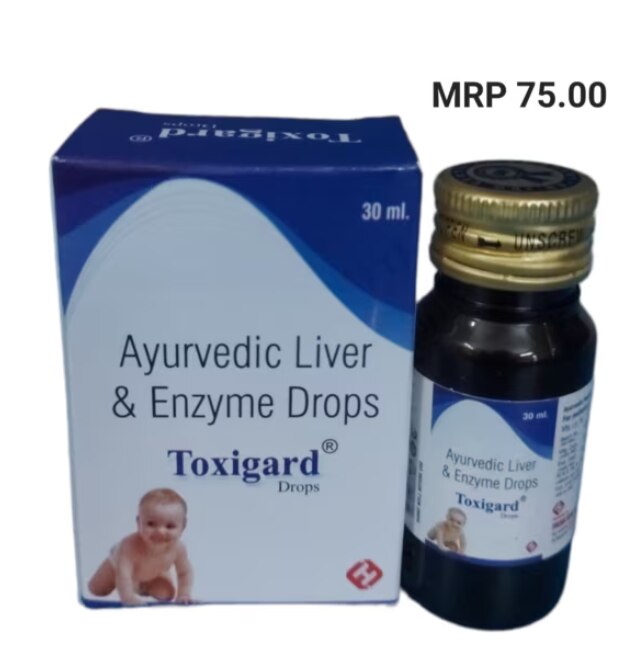
A distributor cannot judge this product from the words “liver drops” or from the brand name alone. Before you buy, promote or offer it to pharmacies, verify its regulatory identity, composition, directions, safety boundaries, pack quality and commercial terms, then test demand with a controlled launch.
Key takeaways
- Ask for the manufacturer’s licence, legal category and current product label.
- Match label directions and permitted claims to pharmacy counselling.
- Check dropper accuracy, liquid storage, leakage and expiry controls.
- Pilot demand before committing capital to a liver drops PCD opportunity.
Verify what Toxigard Drops actually is before you sell it
The word “drops” does not tell you whether Toxigard is an Ayurvedic medicine, proprietary Ayurvedic formulation, nutraceutical or another regulated product. Classify it from the manufacturer’s licence, legal declarations and current label—not from the brand name or a Toxigard drops pharma pcd franchise sales pitch.
Before showing it to a retailer, obtain and match these records:
- The current product label and carton, showing composition, ingredient quantities, extract names, dosage form, bottle volume, serving size, recommended dose, precise approved indication, intended consumer group, warnings and directions.
- The manufacturer’s applicable AYUSH or drug-manufacturing licence, licence or registration details printed on the pack, manufacturer name and address, batch number, manufacturing date, expiry date, MRP and pack size.
- Written dosage instructions covering adults and children, plus any restrictions for older adults, pregnancy, breastfeeding, diabetes and people taking prescription medicines.
- The Toxigard liver drops pharma pcd franchise agreement, including product category, territory, duplicate-brand restrictions, supply continuity, minimum remaining shelf life at delivery, batch-replacement terms and responsibility for near-expiry stock.
Check that the delivered bottle and carton carry the same composition, indication and batch information as the documents. Ask for clarification before promotion if the material uses “detox,” “liver cleansing” or “appetite support” without a precise licensed indication.
PCD describes a commercial distribution model; it does not replace the manufacturer’s licence or your GST and local compliance obligations. Never invent a dose or disease claim from the product name.
Match the product’s permitted use with safe pharmacy advice
Keep the claim at the level printed on the approved label: “liver support” does not mean treatment for jaundice, cirrhosis, fatty liver disease, hepatitis or liver failure. A liver-related brand name and the word “drops” cannot expand that permitted use.
An ayurvedic drops medicine distributor must confirm whether Toxigard is licensed as an Ayurvedic or proprietary Ayurvedic medicine, a nutraceutical, or another category. Check the licence, legal declarations, approved indication, ingredients, directions and warnings together.
An AYUSH licence number establishes regulatory identity and manufacturing permission; it does not prove clinical superiority or suitability for every liver complaint.
Give retailers and medical representatives one claim sheet that matches the pack. Do not replace a licensed indication with “detox,” “liver cleansing” or “appetite support,” and remove unsupported claims from WhatsApp creatives, posters and scripts.
- Tell customers not to self-treat yellow eyes or skin, dark urine, pale stools, persistent vomiting, severe abdominal pain, abdominal swelling or confusion. Refer them for medical assessment.
- Do not promise that the drops reverse liver damage or replace prescribed treatment.
- Direct pregnant or breastfeeding customers, children, older adults and people with diabetes or chronic liver disease to a clinician unless the label expressly covers them.
- Check the label for allergy warnings, adverse effects, medicine interactions and the stop-use instruction before dispensing.
- Record and escalate suspected reactions instead of advising a second dose.
Decide whether drops fit the patient, retailer and prescription workflow
Drops are the better choice when a patient struggles with tablets, needs a measured liquid dose, or requires flexible volume adjustment. They are worse when accurate measuring is difficult, taste reduces adherence, or the formula contains alcohol, sugar or preservatives that do not suit the patient.
| Option | Advantage | Limitation |
|---|---|---|
| Drops | Small volume and easier swallowing | Measuring errors, taste issues and shorter practical stock life |
| Syrup | Familiar format for larger liquid doses | Larger volume, sugar content and spillage risk |
| Tablets | Fixed dose, portability and easier expiry control | Difficult for patients who cannot swallow solid forms |
| Capsules | Convenient, clean and dose-consistent | Unsuitable when swallowing is impaired or capsule ingredients conflict with restrictions |
Before presenting a Toxigard Drops pharma PCD franchise to a retailer, check:
- The current label, ingredient quantities, extract names, bottle volume, serving size, batch number, expiry date and written dose. Never infer composition or therapeutic use from “drops.”
- Whether the measuring device is supplied and marked in millilitres. Do not advise spoon-based dosing unless the label expressly permits it.
- Separate directions or restrictions for children, older adults, pregnancy, breastfeeding, diabetes and patients taking prescription medicines.
- Alcohol, sugar, preservatives, allergies and potential hepatic or sedative interactions. Refer the patient to a clinician when the label lacks these details or symptoms suggest liver disease.
- Minimum shelf life at delivery, batch replacement and near-expiry responsibility. Liquid inventory can become unsaleable sooner than tablets or capsules.
Build distributor controls for liquid stock and compliant promotion
An ayurvedic drops medicine distributor should classify the product from its licence, approved label and legal declarations, not from the word “drops.” Keep the approved artwork, licence details, composition, batch records and certificate of analysis with the first shipment, then compare every received pack against that master copy.
- Check bottle volume, dosage directions, ingredients, warnings, manufacturer details, batch number, manufacturing date, expiry date and seal before release.
- Quarantine cartons with missing print, altered labels, broken seals, sediment outside the approved description or leakage; photograph the defect and record the batch and quantity.
- Store bottles at the temperature, light and moisture conditions printed on the label, using first-expiry-first-out rotation. Do not accept a shipment without an agreed minimum remaining shelf life, batch replacement rule and responsibility for near-expiry stock.
- Record breakage and leakage by transporter, carton and batch; claim replacement before selling affected units.
- Log every complaint with customer, product, batch, symptom, date and action, then escalate suspected adverse reactions or contamination through the licence holder’s stated process.
Give retailers and medical representatives one controlled claim sheet. Their ingredients, directions, warnings and approved indication must match the pack exactly; do not add “detox,” “liver cleansing” or “appetite support” in posters, WhatsApp creatives or scripts unless the licence and evidence permit those claims.
A small, geographically targeted test order exposes leakage, repeat demand, retailer acceptance and discount-driven margin loss before you build stock.
Test the Toxigard liver drops PCD opportunity before committing capital
Place a small, geographically targeted test order before committing capital. It shows whether retailers will stock liquid drops, customers will repeat purchase, and transport will cause leakage. A large opening order hides weak demand and ties cash to expiry risk.
Ask for these terms in writing:
| Validation area | Evidence to obtain | Stop or renegotiate when |
|---|---|---|
| Territory | Named district or state, exclusive rights, and duplicate-brand restrictions | Another franchise holder can sell the same product in your territory |
| Supply | Lead time, batch allocation, minimum remaining shelf life at delivery, and replacement for leakage or damage | No firm dispatch schedule or liquid-stock replacement policy exists |
| Margin | MRP, trade discount, freight, taxes, retailer discount, and net landed cost | The headline margin disappears after ordinary discounts and delivery costs |
| Demand | Retailer pre-orders, a limited pilot, repeat purchases, and returns by outlet | Retailers accept samples but do not reorder within the test cycle |
| Agreement | Written term, renewal, exit, near-expiry responsibility, credit terms, and field-support duties | Sales assurances replace signed obligations |
For a Toxigard liver drops pharma PCD franchise, negotiate batch replacement and responsibility for near-expiry stock before paying. Liquid herbal products can leave less practical selling time than tablets or capsules.
Confirm that PCD describes the distribution arrangement, not a substitute for the manufacturer’s applicable AYUSH or drug licence, your GST registration, or other local obligations. Focus Healthcare Pvt Ltd should state these supply and territory terms in the proposal, not leave them to verbal promises.
A viable liver drops PCD opportunity survives the pilot without inflated claims or forced inventory.
Related product
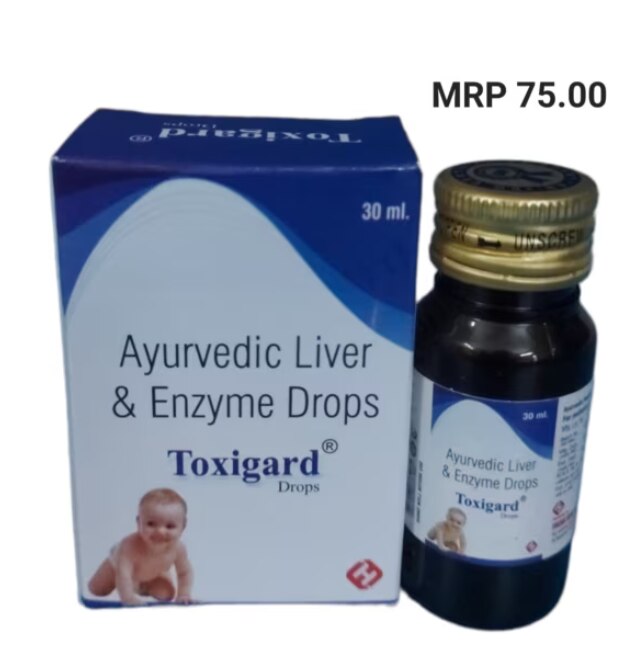
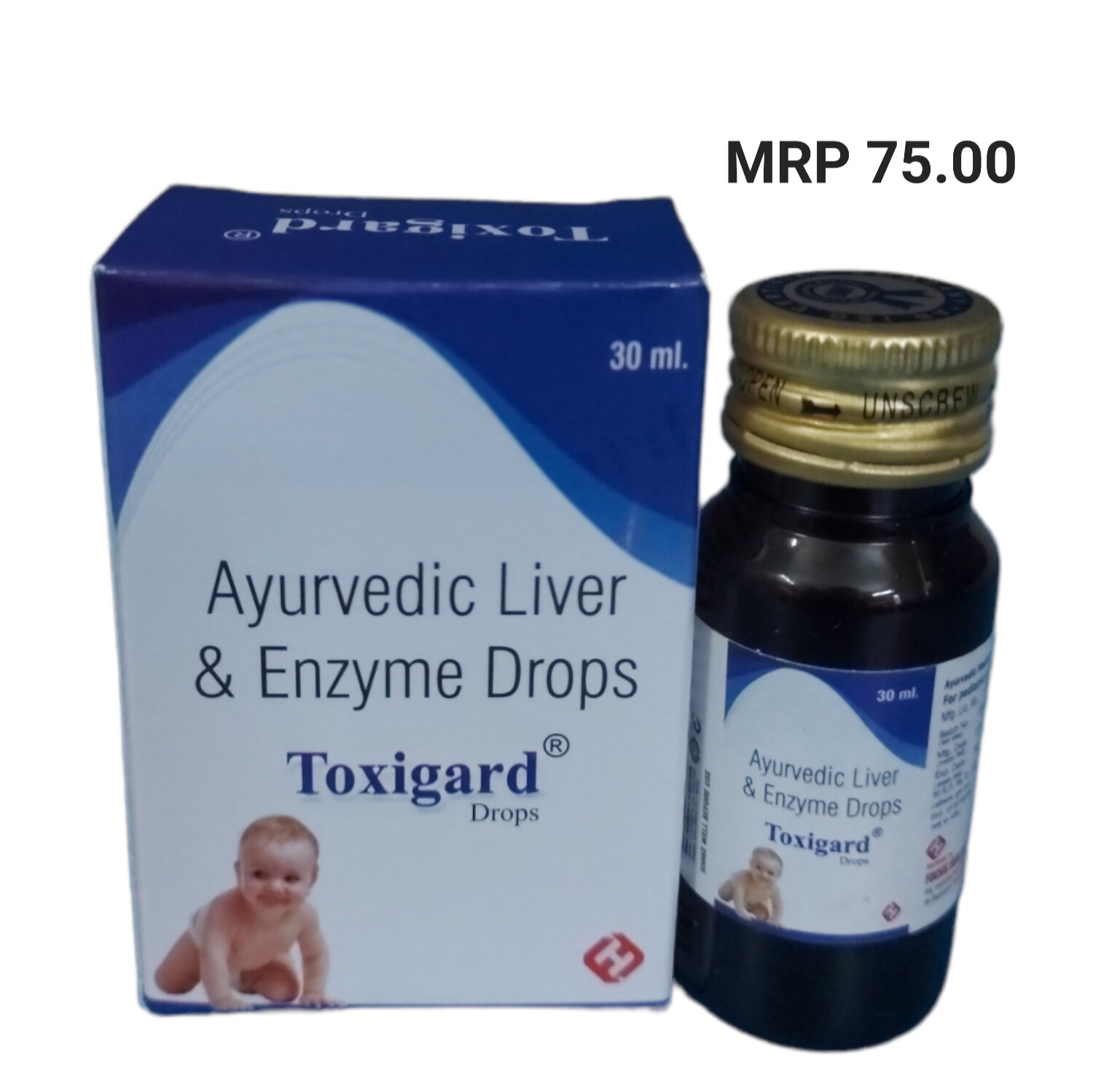 | General Health Toxigard Drops - Ayurvedic Liver & Enzyme Drops ₹75 Toxigard Drops - Ayurvedic Liver & Enzyme Drops View product → |
Frequently asked questions
How can you verify what Toxigard Drops actually is?
Request the manufacturer’s licence, legal declarations, current label and pack insert. Classify the product from those documents, not from the brand name or sales pitch.
What should pharmacy advice for Toxigard Drops cover?
Keep advice within the product’s permitted use, label directions and dosage information. Do not present liver drops as a diagnosis, cure or substitute for medical evaluation.
When are drops the right format for a patient or retailer?
Compare the dropper, dose measurement, patient’s ability to use liquid medicine, storage needs, leakage risk and the retailer’s dispensing workflow against tablets or capsules.
How should distributors control liquid Toxigard stock?
Record batch numbers and expiry dates, inspect seals and droppers, protect stock from unsuitable temperatures, track leakage and use compliant promotional material.
How can you test the Toxigard liver drops PCD opportunity?
Run a limited pilot with selected distributors and pharmacies, measure repeat orders and stock movement, gather label-based feedback, then commit capital only after reviewing the results.
Keywords