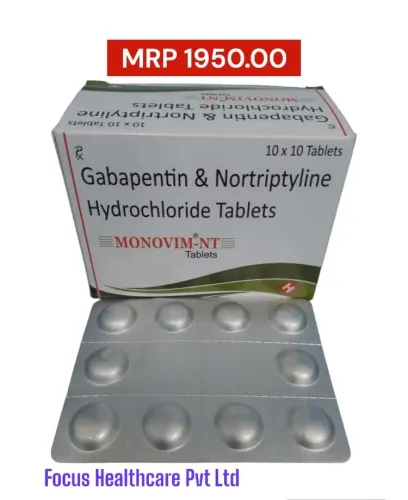

An Ayurvedic enzyme syrup can mean a product containing digestive enzymes, plant extracts traditionally used for digestion, or both, so the front-label name is not enough for a safe product or commercial comparison. By checking the formulation, licence, claims, territory terms and landed economics, you can decide whether the syrup deserves a place in a monopoly franchise portfolio or whether another product category fits better.
Key takeaways
- Verify the Ayurvedic category, ingredients, product permission and manufacturing licence.
- Compare enzyme claims, dosage, evidence, price and repeat demand against competing digestive products.
- Define territory, exclusivity, minimum orders and marketing obligations in the franchise agreement.
- Calculate gross margin after freight, credit losses, expiry returns and sales effort.
What qualifies as an Ayurvedic enzyme syrup, and what should the label prove?
An Ayurvedic enzyme syrup is identified by its ingredients, claimed use, dosage form and manufacturing licence—not by the word “enzyme.” Confirm whether it is a classical Ayurvedic medicine or a patent/proprietary Ayurvedic medicine. A proprietary formulation is not validated by Ayurvedic terminology alone; its permitted ingredients, product permission and label claims must support that category.
1. Request the complete formula for each 5 ml or 10 ml: papain, fungal diastase, bromelain, pancreatin, botanical extracts with botanical names, quantities, excipients, sugar, alcohol, preservatives, flavourings and allergens. Enzymes and herbal digestive formulations are not interchangeable.
2. Check the label for the Ayurvedic licence details, manufacturer and address, batch number, manufacturing date, expiry date, MRP, net volume, storage temperature, tamper-evident seal and applicable warnings.
3. Match the directions to the intended user: age-group dose, supplied measuring cup or spoon, timing with meals, treatment duration, missed-dose instruction and when to stop or seek medical advice. Reject a bottle that leaves these decisions to guesswork.
4. Follow the printed storage condition rather than assuming an enzyme needs cold-chain transport. Heat, light, unsuitable pH and repeated opening can reduce activity before the expiry date.
A label also cannot turn traditional-use reasoning into an unsupported claim to treat gastritis, pancreatitis or dyspepsia. For an ayurvedic enzyme syrup franchise, assess evidence for the finished formulation separately from evidence for each ingredient, and confirm that the licence route is Ayurvedic medicine rather than food, health supplement or nutraceutical.
How should you compare an enzyme syrup with other digestive products?
Choose the product that matches the symptom, dose and risk—not the larger bottle or the word “natural.” In a pharma franchise product comparison, papain, fungal diastase, bromelain, pancreatin and herbal extracts are different actives, not interchangeable versions of “digestive support.”
| Option | What to compare | Decision point |
|---|---|---|
| Ayurvedic enzyme syrup | Active ingredients, botanical names, quantity per 5 ml or 10 ml, enzyme activity assay and pH range | Reject an unnamed blend; activity must be stated or supported by product records |
| Other digestive product | Single enzyme, multi-enzyme, antacid or herbal formulation; intended indication and dose | Compare like with like instead of treating every digestive product as equivalent |
| Onset and dosing | Expected onset, meal timing, measuring device, age-specific dose and treatment duration | Choose the product whose directions fit the user’s need; do not infer dose from bottle volume |
| Storage and stability | Label temperature, light protection, preservative system, pH and stability data | Heat, repeated opening, sedimentation or viscosity change can reduce activity before expiry |
| Evidence | Finished-formulation studies versus evidence for individual ingredients | Traditional use does not prove treatment for gastritis, pancreatitis or dyspepsia |
| Safety and referral | Sugar or polyol content, allergies, interactions and adverse effects | Refer persistent pain, vomiting, weight loss, bleeding, fever or jaundice instead of extending self-use |
A high-sugar syrup and a sugar-free syrup also differ in taste, viscosity, gastrointestinal tolerance and preservative performance. Compare landed cost per saleable dose after freight, taxes, retailer margin, expiry loss and unsold stock—not bottle price.
What does monopoly basis mean in a pharmaceutical franchise agreement?
A claimed monopoly is genuine only when a written agreement grants one partner exclusive rights in a named territory and defined sales channels. In a monopoly basis pharma franchise, exclusivity is contractual, not a statutory monopoly; it does not automatically stop parallel sales, online orders, hospital supply, or the manufacturer’s own representatives.
Before signing, obtain these items in writing:
- A signed franchise agreement naming each district, state, or pincode covered.
- A territory annexure stating whether wholesalers, retailers, hospitals, clinics, e-commerce platforms, and government tenders are included.
- A non-compete clause identifying whether the principal may appoint another distributor, medical representative, stockist, or online seller in that territory.
- Minimum purchase quantities, payment and credit terms, freight responsibility, promotional support, and consequences of missed orders.
- Expiry and near-expiry return rules, plus compensation if another stockist is appointed.
- The Ayurvedic manufacturing licence, product permission, and current label or artwork showing the product category.
Do not treat a branded name or the word “Ayurvedic” as proof of enforceable exclusivity. Check that the label identifies the manufacturer, licence details, batch number, manufacturing and expiry dates, net contents, storage statement, and warnings.
If the seller will not provide the agreement, territory map, licence documents, and purchase conditions before payment, you have a sales promise—not a verified monopoly.
How can an enzyme syrup distributor calculate the real commercial return?
A bottle earns money only after you deduct the cost of reaching a paying customer and the stock that never sells. Calculate contribution per saleable bottle, then test it against realistic demand rather than the distributor’s suggested margin.
1. Record the commercial inputs: purchase price, pack size, declared dose volume, secondary packaging, freight, insurance, breakage, applicable taxes, retailer margin, promotional schemes and the minimum order quantity. Divide total acquisition cost by bottles expected to sell before expiry, not by bottles received.
2. Add the hidden allocation per bottle: samples given to prescribers, delivery charges, credit interest, warehouse rent, leakage, damaged packs, expiry write-offs and unsold stock. If 1,000 bottles arrive but you expect to sell only 820 before expiry, divide recoverable inventory cost by 820.
3. Calculate net return: selling price excluding tax minus retailer margin, landed cost, operating allocation and expiry loss. Then calculate return on working capital by dividing total expected contribution by the cash tied up from the purchase date until collection from retailers.
4. Test demand with a small, documented order before accepting a large minimum order. Ask five to ten target retailers for expected monthly movement, record repeat orders rather than verbal interest, and compare sales by territory and channel.
An enzyme syrup distributor should also price quality control into the model. Retain samples, obtain batch-specific certificates, monitor storage temperature, and log colour, odour, viscosity, leakage, gas formation and sedimentation; a technically unsound batch can erase profit even before its printed expiry date. Check the agreement for territory, online rights, credit terms and expiry returns.
When is an Ayurvedic syrup franchise the wrong choice, and what due diligence should come first?
Reject the opportunity if the supplier cannot prove what the syrup is, which licence covers it, or where your exclusivity begins and ends. An Ayurvedic label does not replace evidence for the finished formulation, and “natural” does not support claims to treat gastritis, pancreatitis or persistent dyspepsia.
1. Verify whether the product is a classical Ayurvedic medicine or a patent/proprietary Ayurvedic medicine. Obtain the manufacturing licence, product permission, approved label, manufacturer address, batch number, manufacturing date, expiry date, net contents, storage statement and warnings.
2. Request sealed samples from the proposed batch. Check the tamper seal, colour, odour, viscosity, leakage, gas formation and sedimentation; keep one retained sample under the stated storage conditions.
3. Ask for batch-specific test records or certificates covering identity, microbial quality, stability and declared ingredients. Do not accept a generic catalogue sheet as batch evidence.
4. Obtain the written complaint procedure, recall contact and pharmacovigilance process. Confirm who investigates adverse reactions, records them and reports them to the appropriate authority.
5. Get the monopoly agreement in writing, naming each district, sales channel, online restriction, competing representative restriction, minimum purchase condition and expiry or termination rule. “Monopoly” is contractual, not a statutory ban on parallel sales.
6. Compare every SKU separately when a catalogue mixes Ayurvedic drugs, conventional medicines, foods and supplements. Their claims, dosage directions and documentation are not interchangeable.
Do not treat an ayurvedic enzyme for syrup monopoly basis franchise as a substitute for diagnosis, referral or proven treatment. Focus Healthcare Pvt Ltd is worth evaluating only after it supplies these documents and defines responsibility for unsold, expired or recalled stock.
Related products
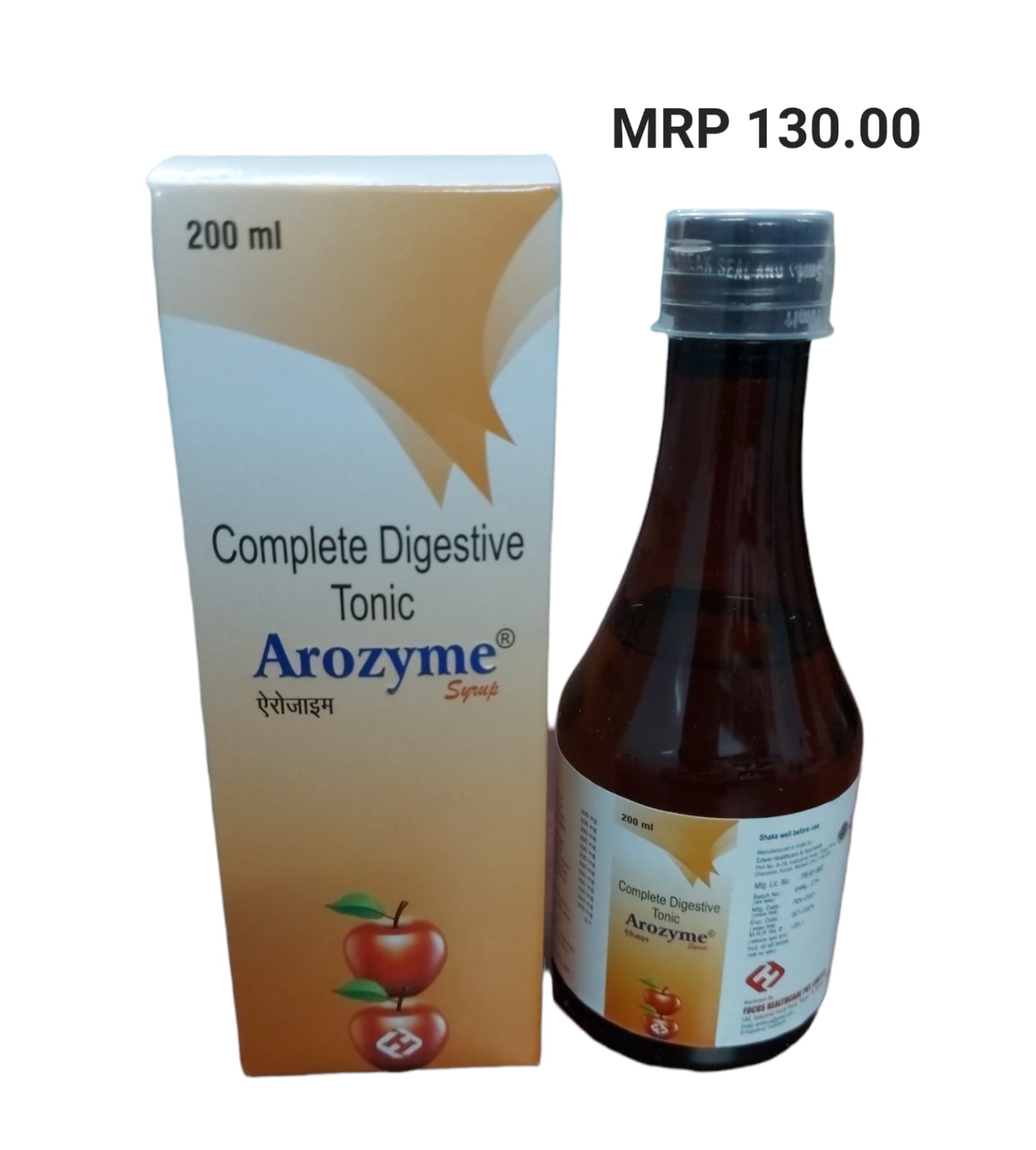 | Ayurvedic Enzyme Syrup ₹150 Ayurvedic Enzyme Syrup View product → |
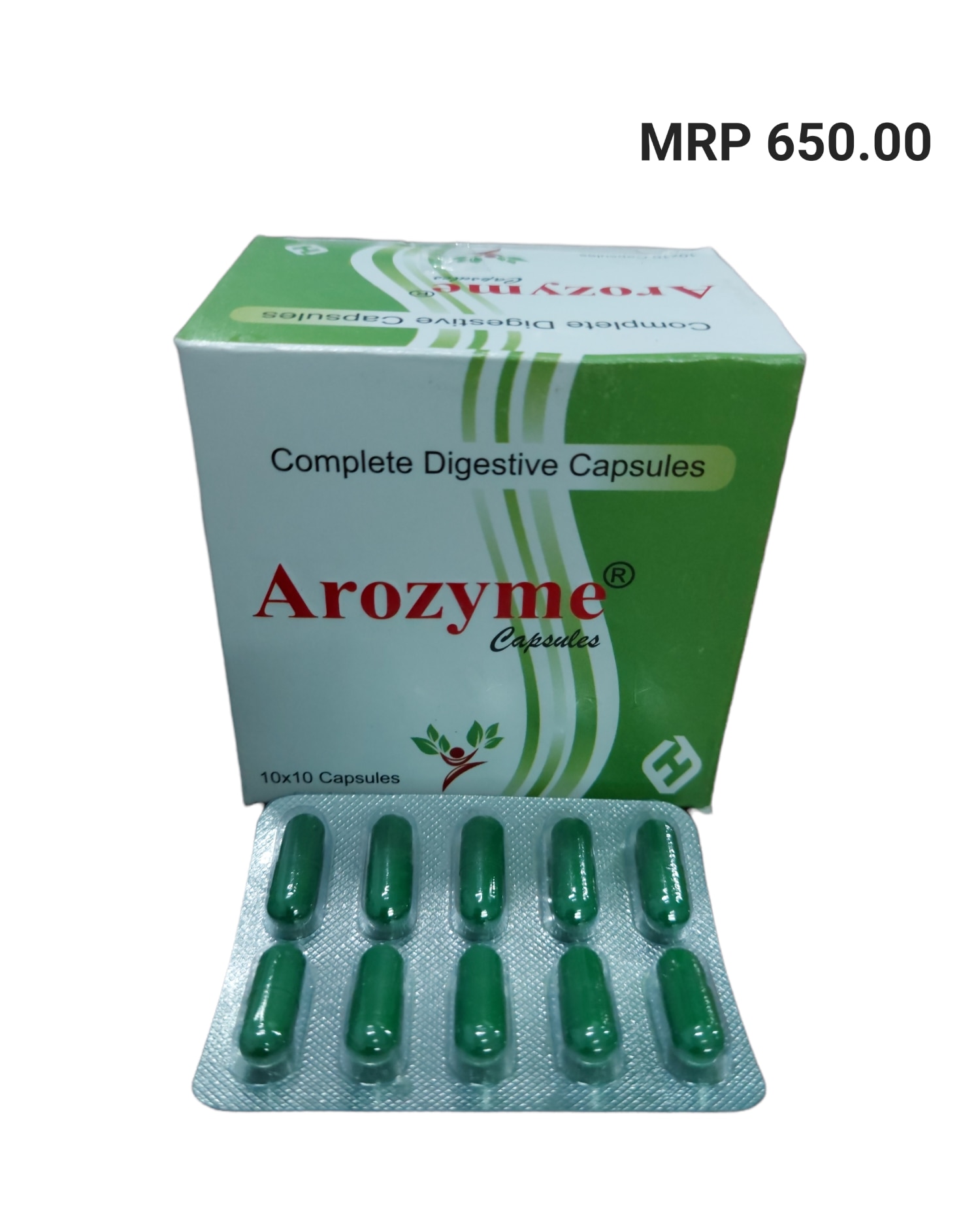 | Ayurvedic Capsules ₹650 Ayurvedic Enzyme Capsules View product → |
Frequently asked questions
What qualifies as an Ayurvedic enzyme syrup?
Check the ingredients, claimed use, dosage form and manufacturing licence. Confirm whether it is a classical Ayurvedic medicine or a patent or proprietary Ayurvedic medicine, and ensure the product permission supports its label claims.
How should you compare an Ayurvedic enzyme syrup with other digestive products?
Compare the ingredient list, dosage, indications, pack size, price, evidence for claims, storage requirements, retailer margin and repeat-purchase potential rather than relying on the word “enzyme.”
What does monopoly basis mean in a pharmaceutical franchise agreement?
It means the supplier grants defined territory rights, usually for a district, state or other area, subject to written terms. Check exclusivity, duration, minimum orders, payment rules, product availability and termination conditions.
How can an enzyme syrup distributor calculate the real commercial return?
Subtract product cost, freight, taxes, sales visits, credit losses, expiry or breakage, promotional spending and collection costs from expected sales revenue. Test the result against realistic monthly orders and payment cycles.
When is an Ayurvedic syrup franchise the wrong choice?
Reject it when the label category or product permission is unclear, exclusivity is only verbal, minimum orders exceed likely demand, claims lack support, or the margin disappears after distribution and collection costs.
Related products
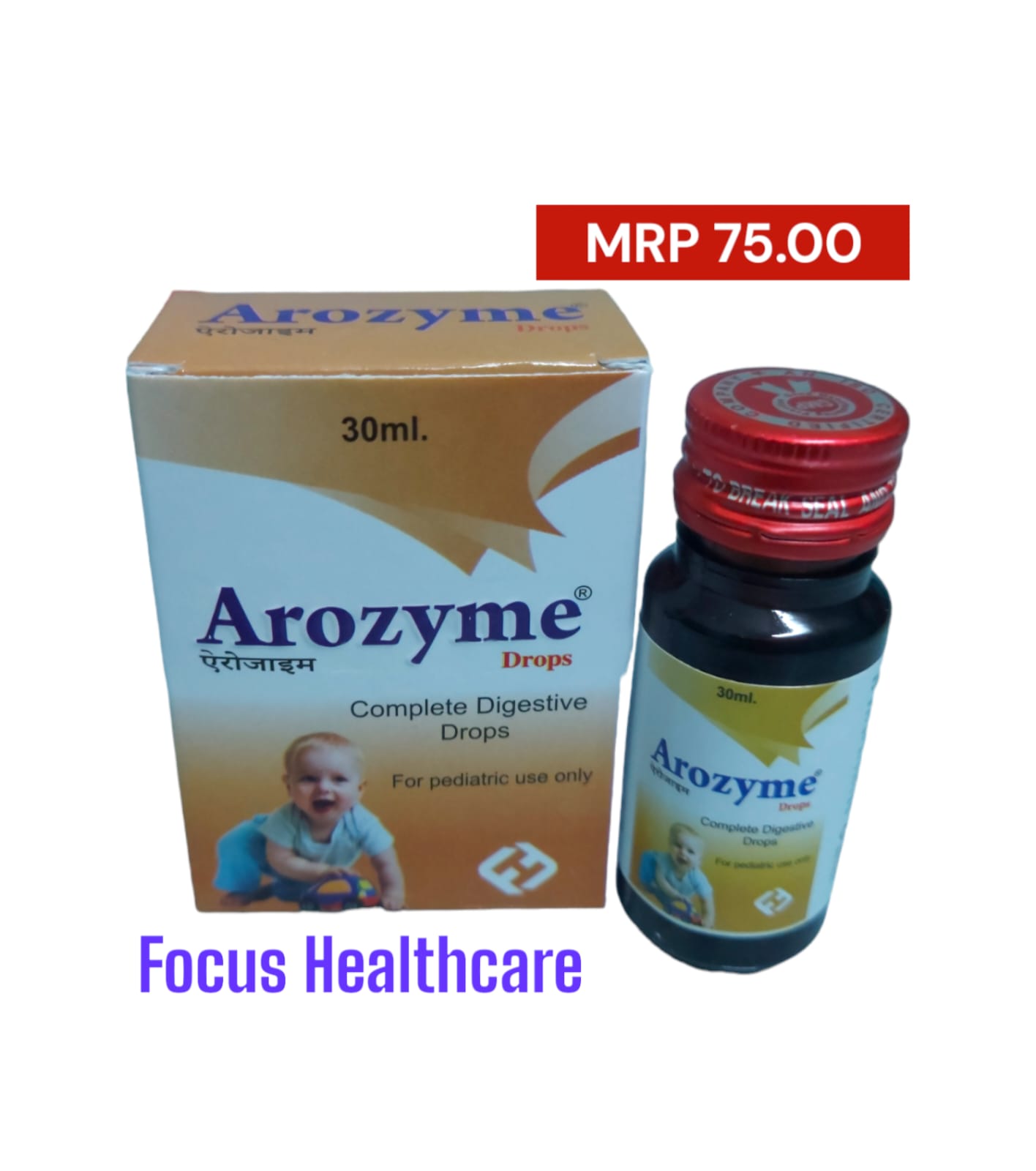 | Ayurvedic Arozyme Drops ₹75 Ayurvedic Arozyme Drops View product → |
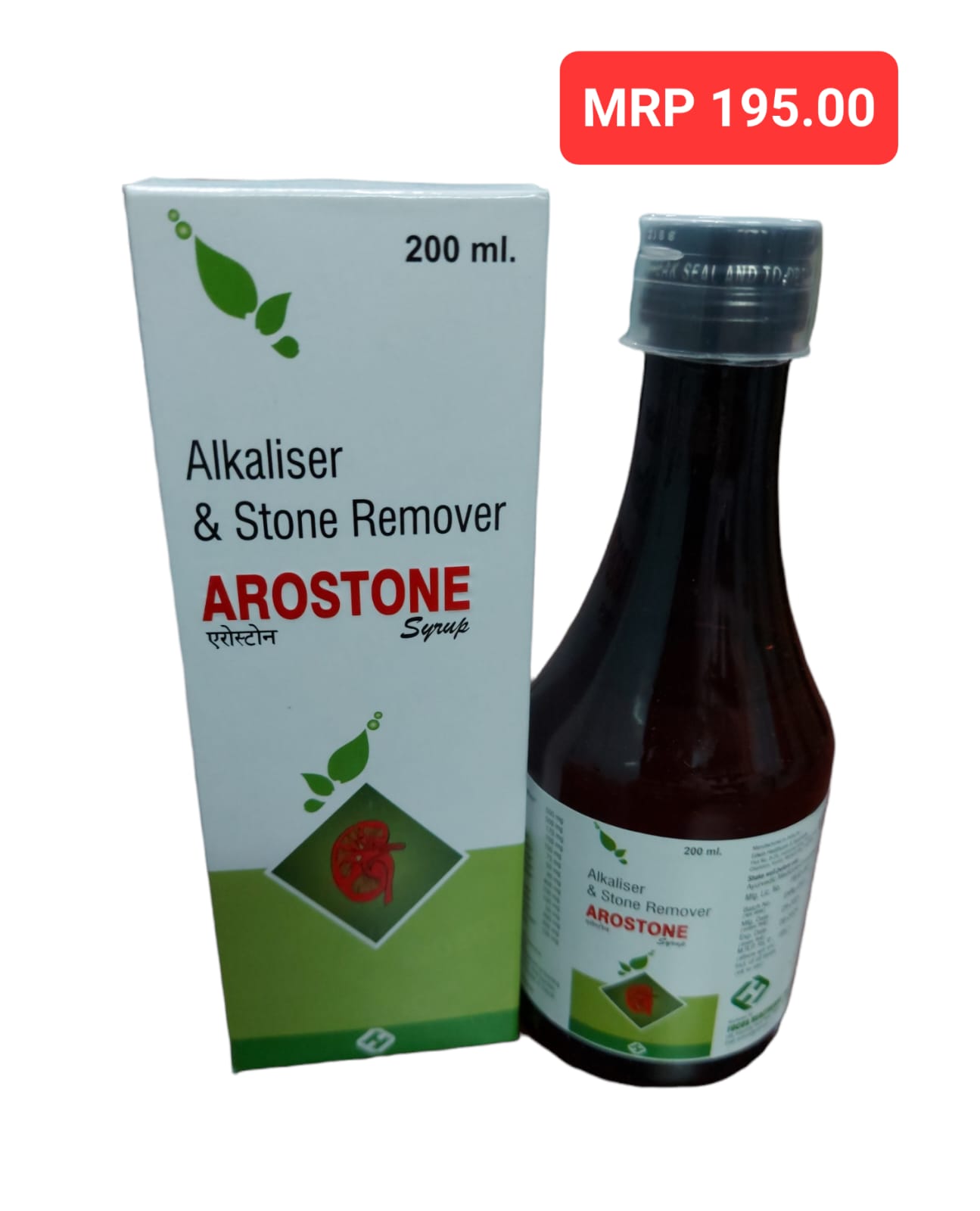 | Ayurvedic Syrup Arostone - Kidney Stone Remover Syrup ₹195 Composition : Alkaliser & Stone Remover Syrup View product → |
Keywords