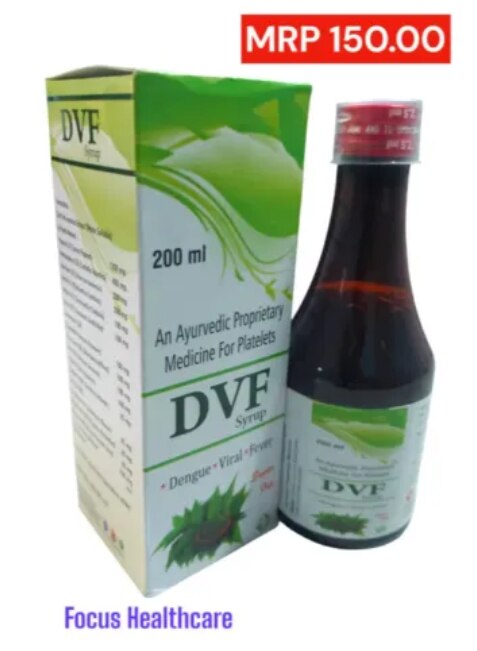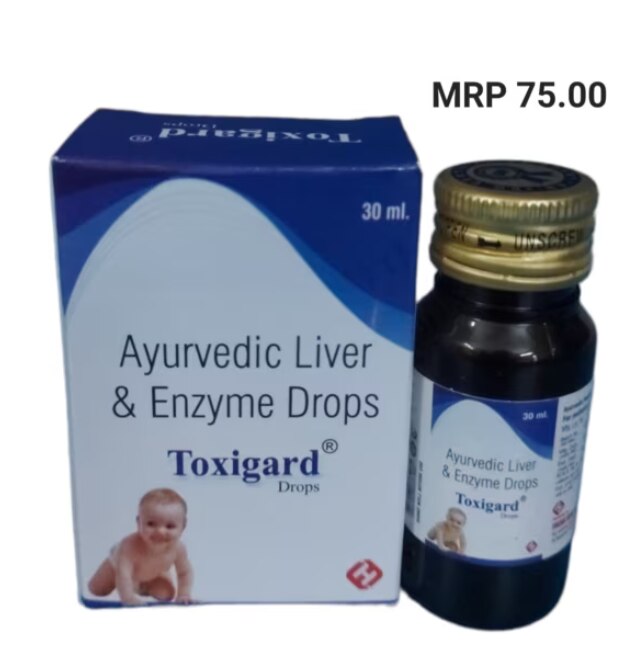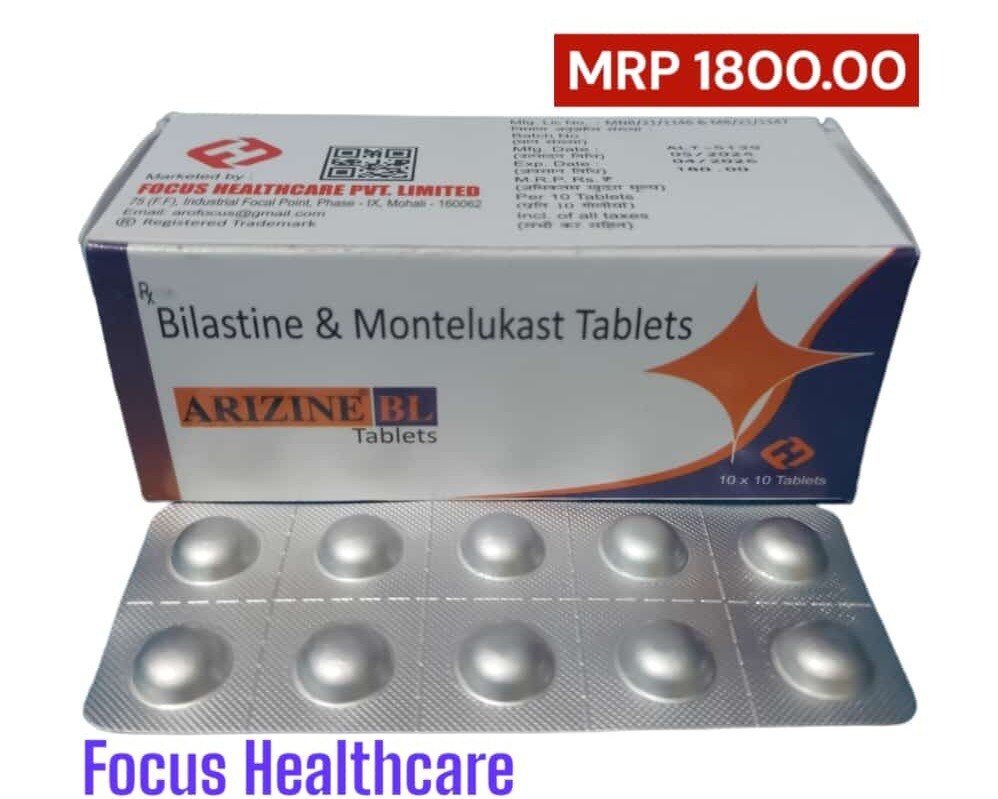

A product name alone cannot establish a usable retail buying price: pack size, quotation date, MRP, trade rate, GST, freight and order quantity all change the calculation. By the end, you will know how to request a comparable quote, test the real landed margin and verify whether a supplier can support your district reliably.
Key takeaways
- Ask for the quotation date, pack size, batch details and tax status.
- Separate MRP, PTR, PTS and scheme pricing before comparing offers.
- Check the AYUSH licence details, label information and invoice terms.
- Calculate freight, taxes, breakage and scheme adjustments into landed cost.
What a usable Toxigard price quotation must show
Treat a toxigard ayurvedic liver for syrup price list as a real quotation only when it identifies the stock and commercial terms behind the number. An undated figure is not a defensible ayurvedic liver syrup price.
1. Exact pack size, formulation, units per box and boxes per case. A 100 ml bottle and a 200 ml bottle cannot be compared by printed price alone.
2. Quotation date, validity period, applicable district or state, and the supplier’s name, contact details and quotation reference.
3. MRP alongside PTR or PTD, PTS, and any separate PCD franchise rate. MRP alone does not show your buying price or gross margin.
4. Price per bottle, box and case, plus the minimum order quantity. Ask whether the quoted rate applies to one case, several cases or a larger order.
5. GST status, freight basis, payment terms and delivery point. Confirm whether GST and transport are included or added to the quoted rate.
6. Scheme quantity, such as “10 + 1,” and the shelf-life condition at dispatch. Free units change the effective rate, while short-dated stock changes the risk.
The document should also state whether Toxigard is licensed as an Ayurvedic medicine or marketed as a food or health supplement. Compare only products with the same category, ingredients, permitted claims, dosage and pack size; otherwise the apparently cheaper rate may describe a different product.
How to read MRP, PTR, PTS and scheme pricing
MRP is the maximum consumer selling price, not your buying price. PTR is the price charged to the retailer; PTS or PTD is the stockist or distributor rate. Confirm whether each quoted rate includes GST, freight and any cash discount before calculating margin.
1. Record the quoted rate and pack quantity. Convert a box or case price to a bottle price by dividing it by the number of saleable bottles.
2. Apply the scheme to the total units received. If you pay for 10 bottles and receive 1 free, your effective unit cost is the invoice value divided by 11, not 10.
3. Add freight, leakage allowance and other unrecovered charges. This produces landed cost. Remove GST from the calculation when you can claim that GST as input tax credit; keep it in cost when you cannot.
4. Convert the intended selling price to the same tax basis. If MRP is GST-inclusive, divide it by 1 plus the applicable GST rate before comparing it with a GST-exclusive cost.
5. Calculate gross margin as: (net selling price minus effective landed cost) divided by net selling price, multiplied by 100.
A dated ayurvedic product price list should show MRP, PTR or PTD, GST treatment, scheme units, freight terms and pack size. A quoted “20% discount” proves nothing until you know whether it is calculated from MRP, PTR or the net invoice value.
Keep scheme stock separate from cash discounts because each changes the unit cost differently.
Why pack, licence and label details change the comparison
Treat the quoted stock as the same saleable product only after matching its label, licence category, formulation and commercial terms. The product name alone cannot establish a valid Toxigard Ayurvedic Liver Syrup comparison, and “ayurvedic liver syrup price” is not a single regulated category.
Check the quotation and the physical pack for:
- Product name, formulation or ingredient declaration, net volume and recommended dose
- Ayurvedic medicine licence details, or food/health-supplement classification and required label particulars
- Manufacturer name, manufacturing address, batch number, manufacturing date and expiry or use-before date
- MRP, retailer or distributor rate, GST treatment, scheme, freight basis and quotation date
- Units per box, boxes per case, minimum order quantity and the territory covered
Do not compare a 100 ml bottle with a 200 ml bottle by printed price alone. Calculate the price per bottle and per 10 ml, then compare the recommended dose; a concentrated formulation can cost more per bottle yet require less syrup per serving.
Claims also matter. A licensed Ayurvedic medicine and a food supplement do not share the same permitted claims, licensing route or labelling rules, even when both are liquid liver products. A missing batch number, inconsistent manufacturer detail or licence information is a release-control problem, not a discount opportunity.
Hold the stock until the supplier corrects the discrepancy and provides a dated quotation or invoice.
How to compare landed cost for liver syrup retail supply
Use landed cost per saleable bottle, not the invoice rate, to judge whether liver syrup retail supply is profitable. Record the base price, GST treatment, freight, credit cost, breakage or leakage allowance, scheme value and expected expiry loss. Count GST in cash cost unless you can claim the input tax credit.
- Divide the total payable amount by bottles received, then subtract the value of usable free units from that cost.
- Add a leakage or breakage allowance for bottles damaged in transport or storage.
- Price slow-moving stock at its likely recovery value, not its MRP. Expiry can turn an apparent margin into a loss.
- Treat a scheme as income only when the free stock is saleable and the paid units will move before expiry.
- Include the cost of money during the credit period if payment is due before the stock is sold.
| Comparison point | Include in the calculation | Risk if ignored |
|---|---|---|
| Pack and dose | Bottle size, units per box and recommended dose; compare price per 10 ml and per course | A smaller bottle appears cheaper while costing more to use |
| Product category | Ayurvedic medicine licence or food/health-supplement status, ingredients and permitted label claims | An invalid comparison or unsuitable retail claim |
| Quotation terms | Date, batch, MRP, trade price, freight, MOQ and territory | An old ayurvedic product price list creates a false margin |
| Stock movement | Shelf life remaining and expected monthly sales | Expired bottles consume the margin |
Do not compare a licensed Ayurvedic medicine with a generic tonic solely because both are liquids. Exclude claims such as “cures fatty liver” unless the label and licence authorise them.
How to request a current quote and choose the supply route
Ask for a dated quotation, not an undated “toxigard ayurvedic liver for syrup price list.” Before ordering, confirm that the rate applies to your district, order quantity and intended supply route.
- Request the exact bottle size, units per box, boxes per case, MRP, PTR, PTS or PTD, GST treatment, freight basis and minimum order quantity.
- Ask for the batch number or quotation date, remaining shelf-life requirement, payment terms, breakage policy and replacement process.
- Confirm whether the scheme means extra bottles, free goods or a cash discount, and calculate the effective price per saleable bottle.
- Ask whether the supplier permits resale in your territory and whether another franchise holder already has district rights.
- Obtain a pro forma invoice showing the product description, quantity, taxable value, GST and delivery charge.
| Supply route | Ask for | Best fit | Check before paying |
|---|---|---|---|
| Distributor | PTR or distributor rate, scheme and dispatch terms | Trial stock for local resale | Invoice, batch details and freight |
| PCD supplier | Territory rights, MOQ, franchise terms and PTS/PTD | District or state expansion | Exclusivity, sales support and renewal conditions |
| Direct bulk supply | Case rate, payment terms and delivery schedule | Larger repeat orders | Working-capital exposure and expiry risk |
A toxigard syrup distributor is suitable for a small test order when you need immediate stock without territory commitments. A PCD supplier such as Focus Healthcare Pvt Ltd should clarify whether its offer covers franchise rights, stock purchase, or both. Reject any quote that gives only MRP or promises margin without a dated net invoice.
Related product
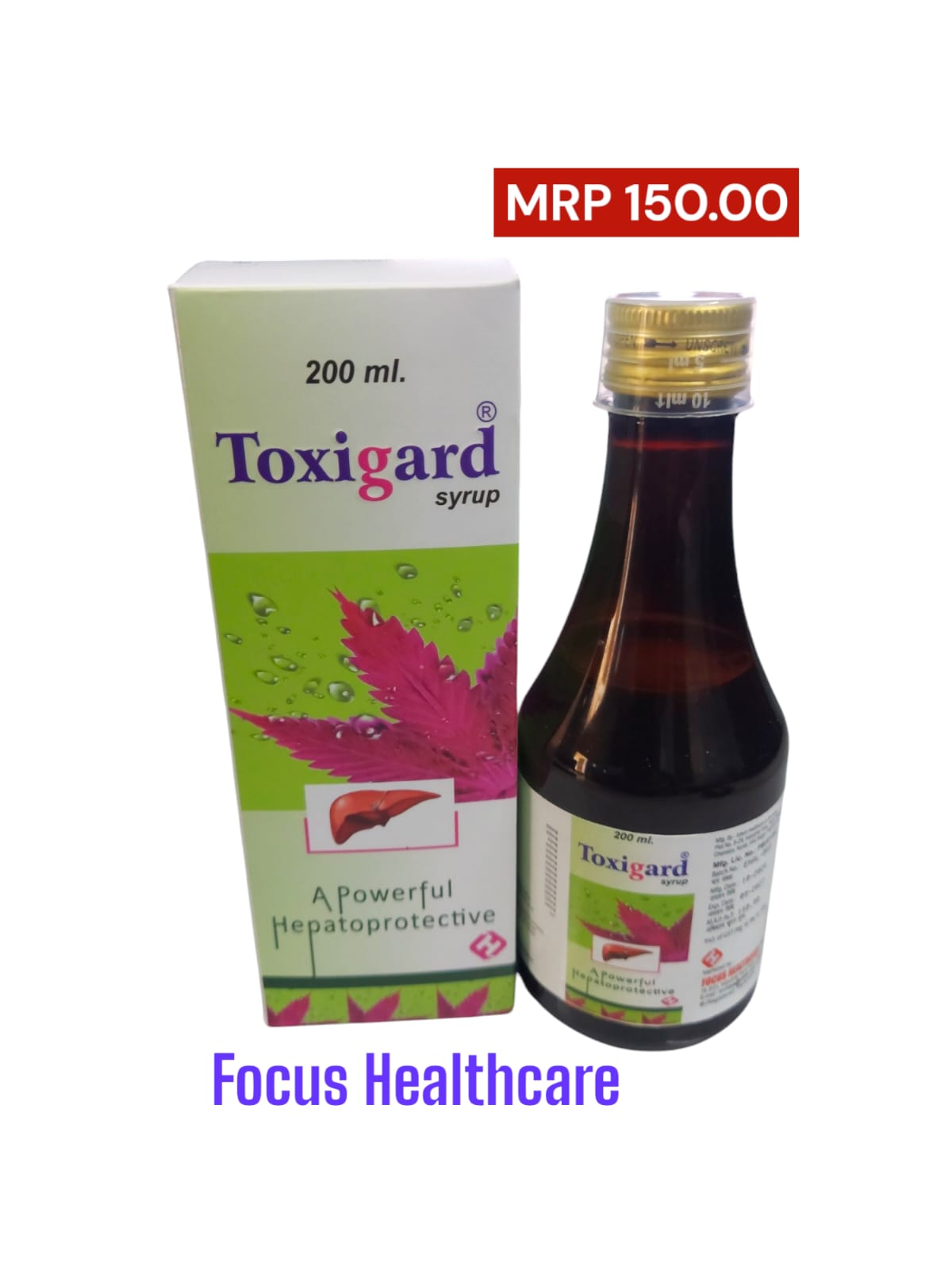 | Ayurvedic Toxigard - Ayurvedic Liver Syrup ₹150 Ayurvedic Liver Syrup View product → |
Frequently asked questions
What must a usable Toxigard Ayurvedic liver syrup quotation show?
Request the quotation date, product name, bottle volume, case quantity, MRP, applicable tax, scheme terms, freight terms, payment conditions and supplier contact details. Ask for the batch number and expiry date when stock is already allocated.
What is the difference between MRP, PTR, PTS and scheme pricing?
MRP is the maximum retail price printed on the pack. PTR is the price charged to a retailer, while PTS is the price charged to a stockist or distributor. Scheme pricing adds free units or a discount, so calculate the effective per-bottle cost before comparing quotes.
Why do pack, licence and label details change the comparison?
A 100 ml bottle and a 200 ml bottle cannot be compared by invoice price alone. Check the bottle volume, case count, ingredients, manufacturer or marketer name, batch details, expiry, customer-care information and AYUSH licence details printed on the label.
How do you calculate landed cost for liver syrup retail supply?
Start with the net purchase cost after discounts or free-unit schemes. Add GST where applicable, freight, loading charges, insurance, breakage allowance and payment-related costs, then divide by the number of saleable bottles received.
What should you ask a Toxigard syrup distributor before placing an order?
Ask for a current written quote, stock and expiry information, minimum order quantity, dispatch location, delivery timeline, replacement policy for damage, invoice format, payment terms and the supply territory covered by the distributor.
Keywords